
Darena Health Blog and News
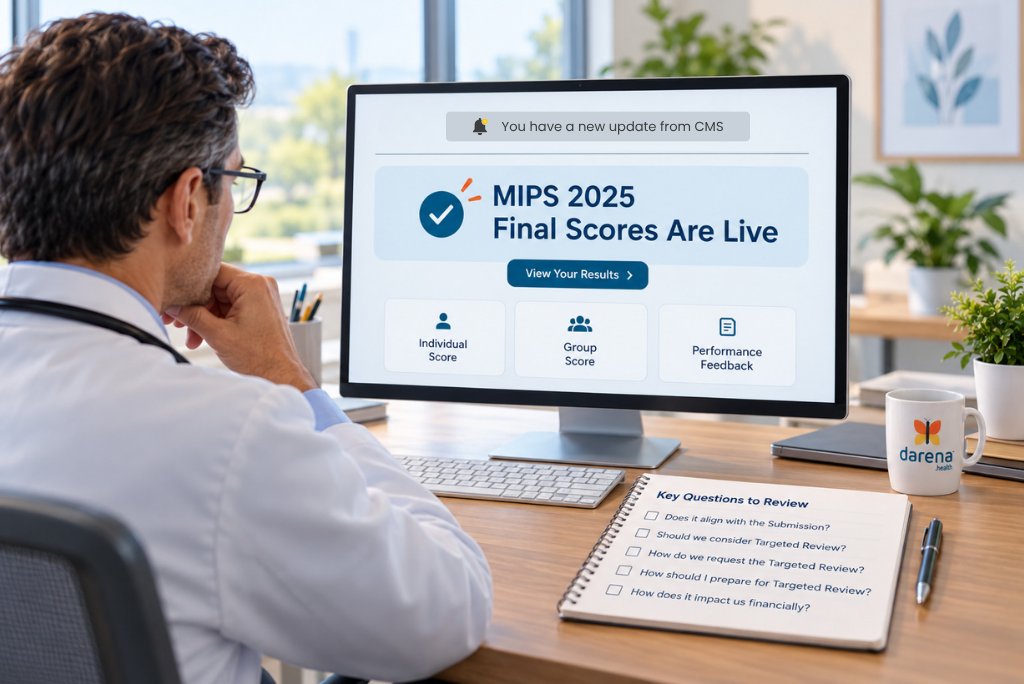
2025 MIPS final scores: What to check and when to request a Targeted Review
CMS has released the 2025 MIPS final scores and Performance Feedback. Learn what to check in the results, what could indicate an error, when to consider a Targeted Review, and what supporting information may be needed.
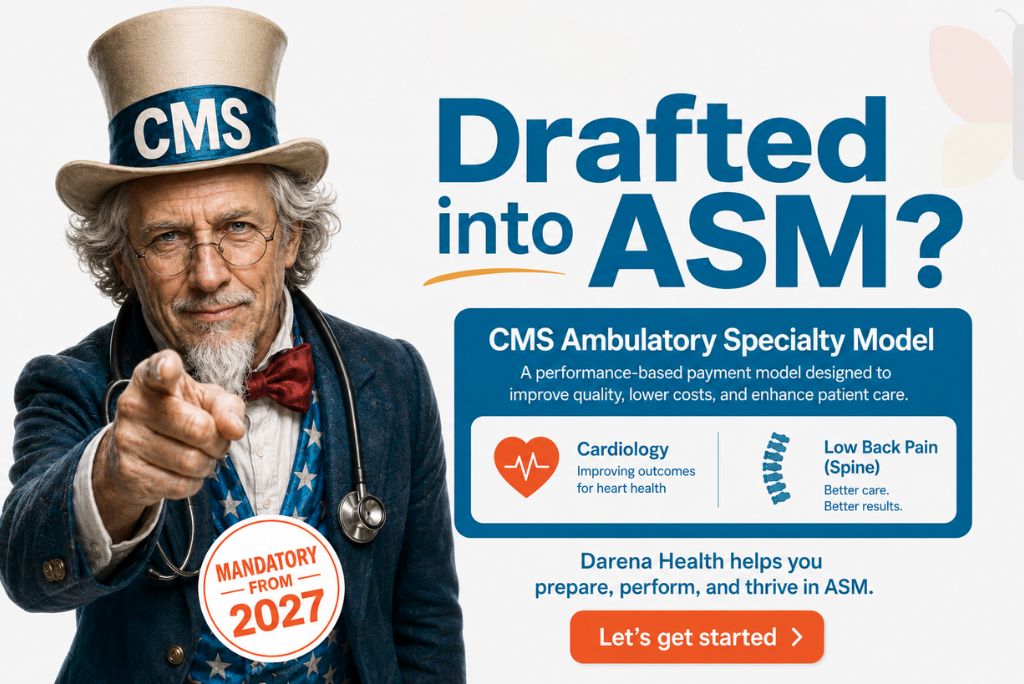
CMS Ambulatory Specialty Model 2027: What provider organizations need to know
The CMS Ambulatory Specialty Model (ASM) starts in 2027 for selected specialists. See who must participate, how ASM affects Medicare Part B payments, what changes from MIPS, and what provider organizations should do now to be ready.
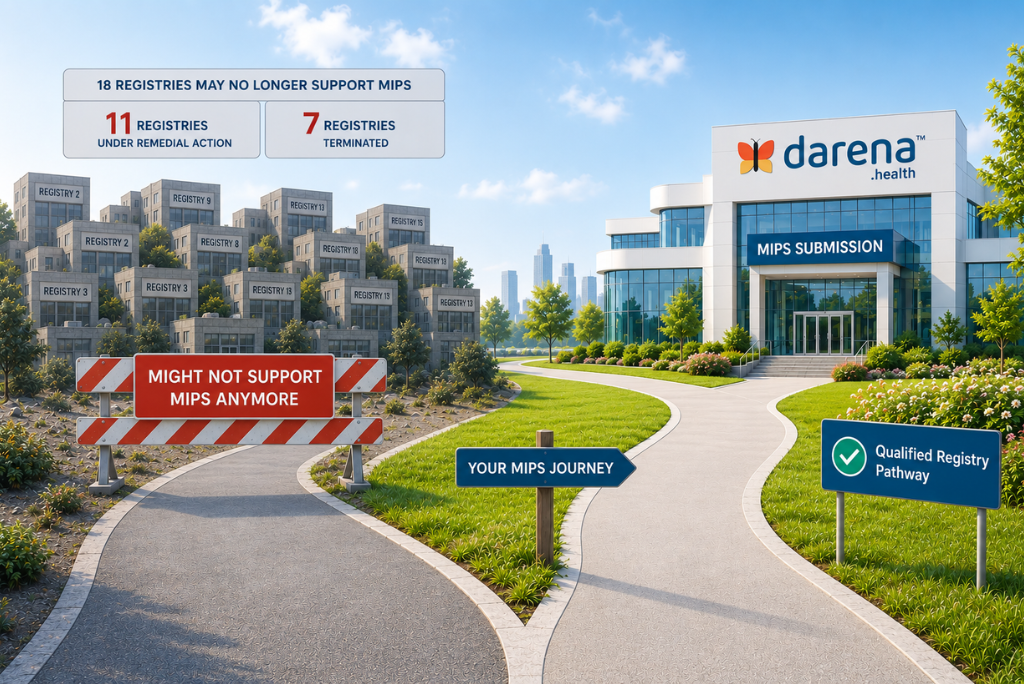
What to do if your MIPS registry shuts down
CMS placed 11 Qualified Registries under remedial action and terminated 7 in 2026. This blog explains what these changes mean for clinicians, practices, groups, ACOs, and registry organizations; what to do with MIPS work already completed; and how to plan for 2026 reporting.
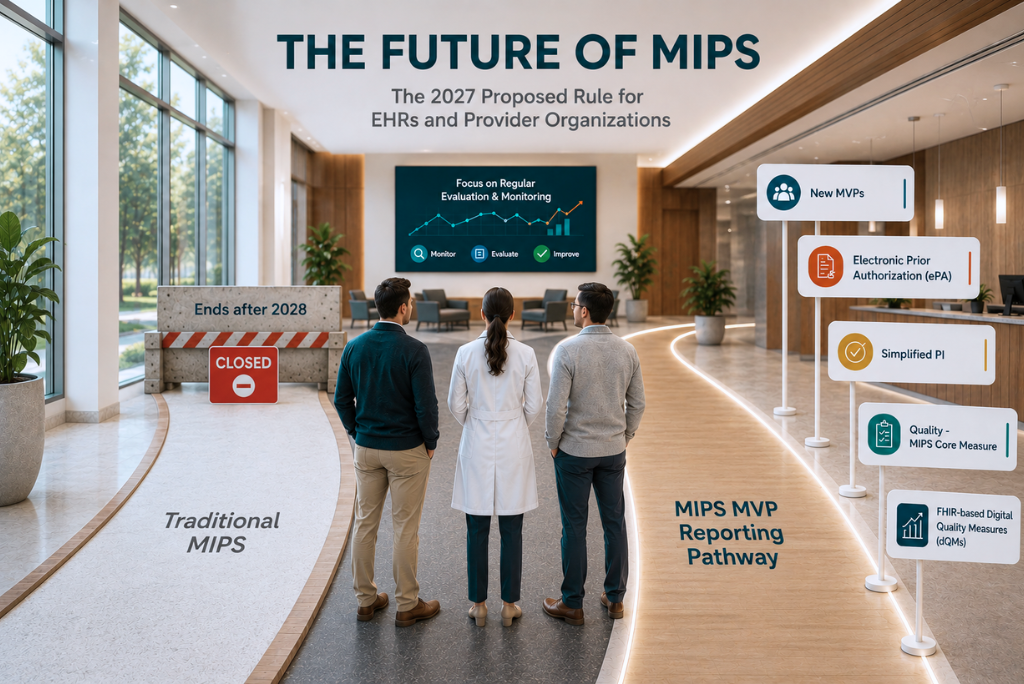
2027 MIPS Proposed Rule: 7 Key Changes to Note
The 2027 MIPS Proposed Rule has 7 significant changes that could reshape MIPS reporting. These include new MVPs, new MIPS Core Measures, ACO reporting, ePA measure, and FHIR-based digital quality measurement. Read what EHRs and provider organizations should prepare for.
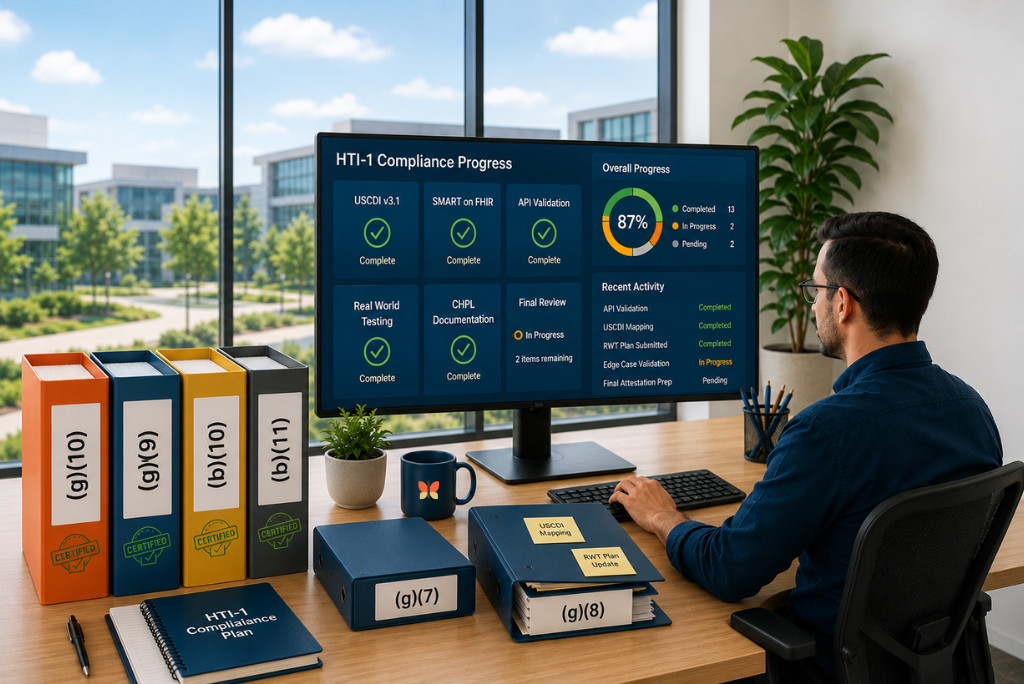
HTI-1 Compliance: Certification is just the beginning
HTI-1 compliance doesn't end with certification. Learn how EHRs can maintain FHIR APIs, EHI Export, Decision Support Interventions, Real World Testing, and other ONC-certified capabilities to reduce compliance risk and support reliable interoperability.

HTI-1 Compliance Checklist for EHRs and Health IT Teams
HTI-1 compliance involves much more than implementing a FHIR API. This practical checklist helps EHRs and health IT teams evaluate certification, operations, SMART on FHIR, USCDI, EHI Export, Real World Testing, and whether to build internally or integrate with a certified partner.
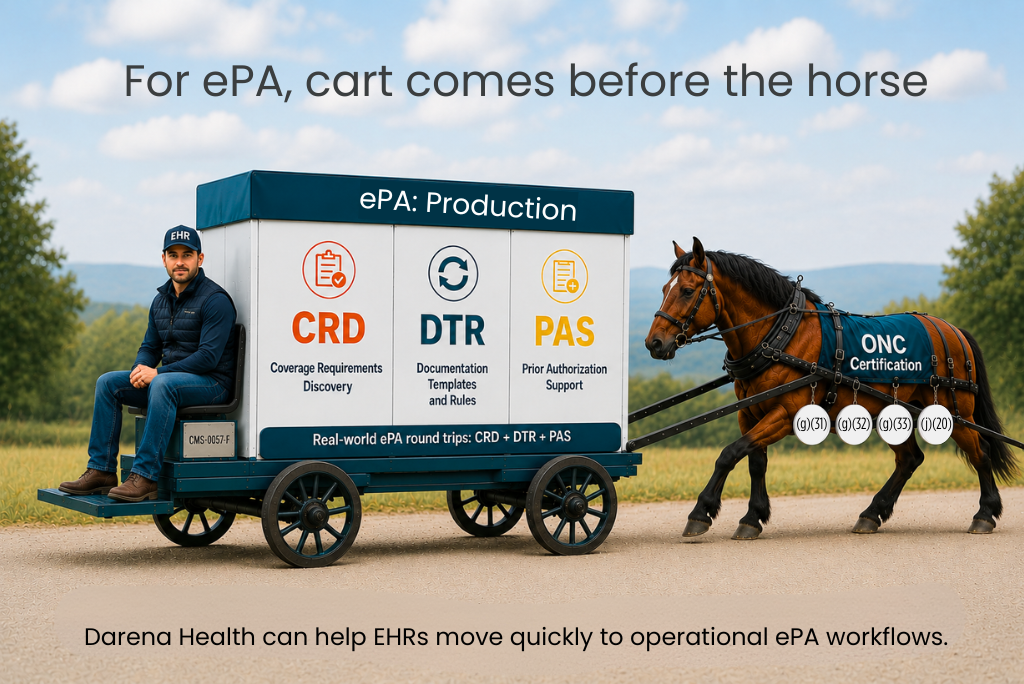
ePA: Why Production Comes Before Certification
Electronic prior authorization (ePA) is becoming an operational priority for EHRs. CMS expects real-world readiness ahead of 2027, making production workflows, FHIR APIs, and payer connectivity just as important as ONC certification. Learn why preparing now can reduce risk and accelerate implementation.

MIPS PI Clock is Winding Down. Time to Pay Attention
The last MIPS Promoting Interoperability reporting window is here. Learn about the 2026 PI updates, including Security Risk Analysis requirements, SAFER Guide attestation, the new TEFCA bonus measure, reporting deadlines, and common submission mistakes that can impact your score.

MIPS and MVP Support: One More Plate EHRs Don’t Need to Spin
For EHRs, supporting MIPS is becoming more than enabling quality and PI measures. As MVP adoption grows, EHRs are expected to support MVP-only MIPS-CQMs (registry measures) and CMS submission. Explore the key MIPS and MVP reporting challenges facing EHRs and why they don’t have to do it alone.
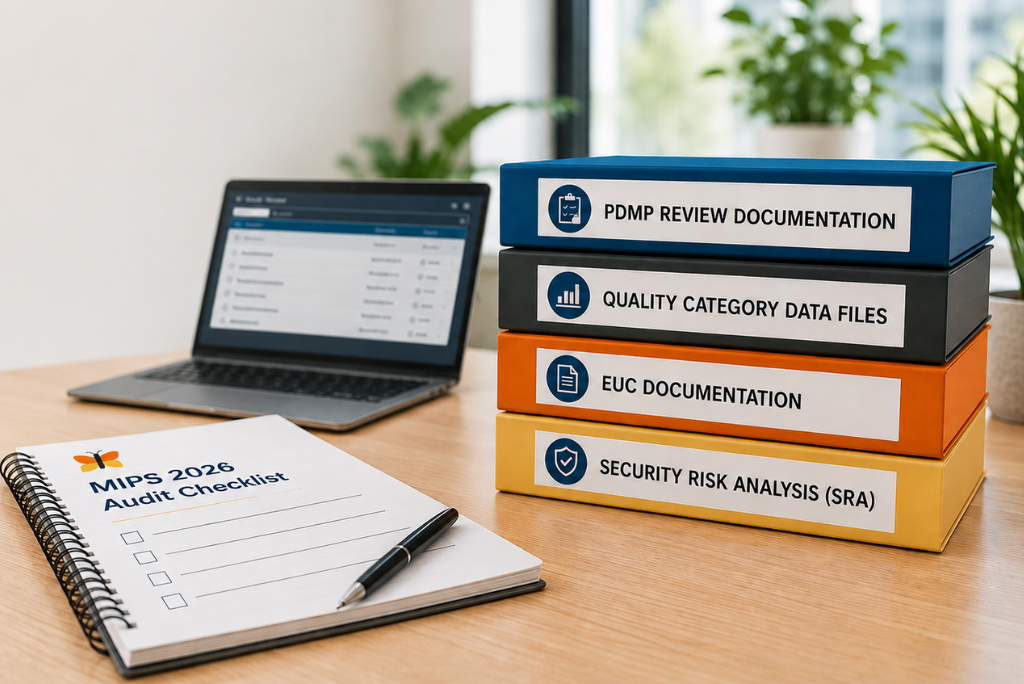
MIPS 2026 Audit Readiness Checklist
CMS audits are not rare; they are expected. The MIPS Audit Readiness Checklist helps you stay organized and confident, with a clear list of 10 key items to document, track, and retain. Learn how MyMipsScore streamlines audit preparation and ensures your evidence remains secure and accessible.

Small but Mighty MIPS 2026 Changes
A closer look at the MIPS 2026 updates that can affect measure selection, reporting workflows, support priorities, and MIPS readiness for EHRs and Provider Organizations alike.
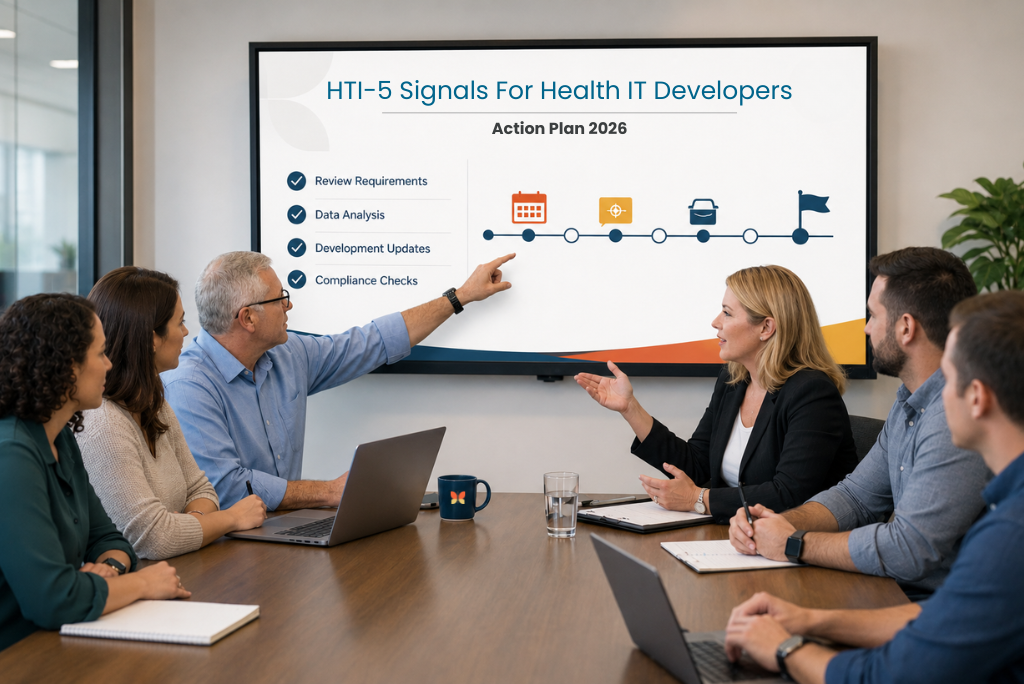
HTI-5 Signals Shift from “Certified” to “Operationally Trustworthy” Health IT
HTI-5 continues ASTP/ONC’s shift from basic data exchange to reliable, explainable interoperability in real-world use. This blog explains what HTI-5 signals, why it matters now, and how EHRs can prepare for ongoing oversight without turning compliance into a constant scramble.

What EHRs Underestimate about Supporting MIPS
Learn why annual MIPS measure updates, maintaining ONC certification, and supporting submission workflows create more internal work than many EHR teams expect.
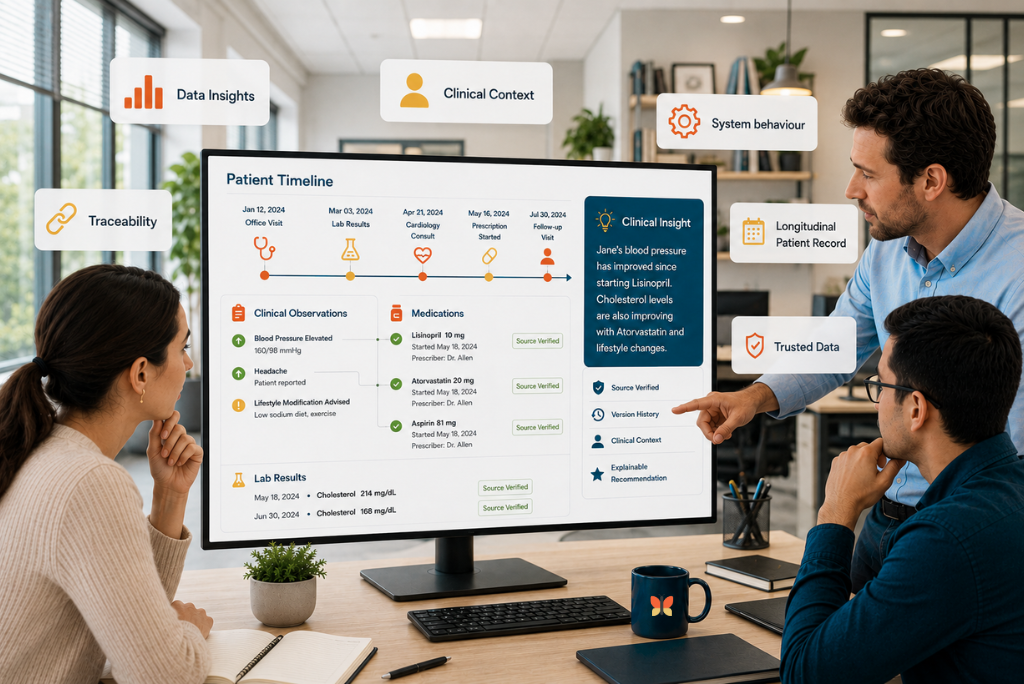
Data Insight: In 2026, ONC Expects More than Data Exchange
ONC’s expectations for certified health IT are shifting. In 2026, exchanging data is no longer enough. Systems must support traceable, explainable, and longitudinal data use under HTI-1 and USCDI v3. This blog explains what insight really means and why it matters now.

MIPS MVP Raises the Bar for EHRs in 2026
Learn what changes for EHRs when MVP support becomes part of their product and customer growth and retention strategy.

Getting Real About Readiness: USCDI v3 Is Closer Than You Think
USCDI v3 is no longer a future problem. This blog explains what real readiness looks like for EHRs, why early alignment matters, and how planning now prevents rework, testing delays, and certification stress as 2026 approaches.

A Little Less Chaos, a Lot More Care: How MyMipsScore Simplifies Year-End Reporting
December is when MIPS reporting stress peaks. This blog explains where year-end workflows break down, why small errors cost points, and how MyMipsScore brings structure, clarity, and calm to reporting during the busiest time of the year.
The Details That Decide MIPS Scores for 2025
Small MIPS mistakes often create the biggest losses. This guide explains where organizations slip in identifiers, measures, PI evidence, and group activities, and why December is the perfect time to fix issues. Learn how MyMipsScore keeps your score protected.

The Data We’re Thankful For: Real Progress in Interoperability
2025 finally delivered real interoperability. TEFCA QHINs are live, FHIR APIs are standardizing access, and CMS rules are pushing routine data exchange. This Thanksgiving, healthcare has real progress to appreciate. Learn how Darena Health helps providers and EHRs turn this progress into practical, everyday value.

The Benefits of Information Access and Sharing: From Obligation to Opportunity
Data access is no longer a box to check. With HHS enforcement rising and courts examining restrictive practices, patient centered data exchange is now essential for compliance and trust. This blog explains how timely, digital access supported by certified FHIR APIs gives organizations both protection and opportunity.